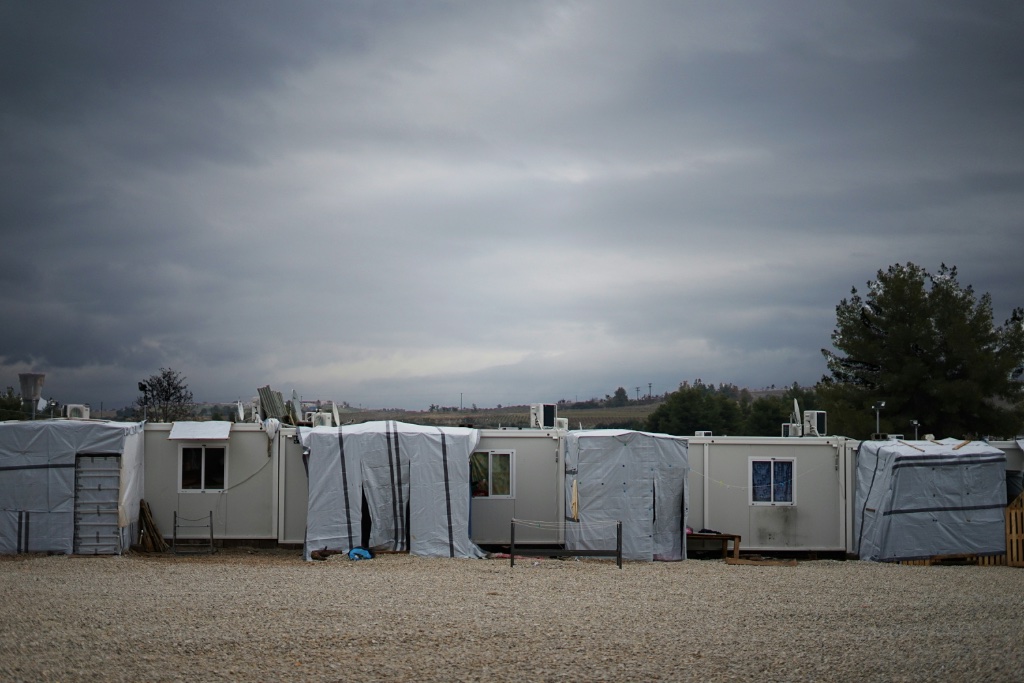
Emergency Housing Preparedness: Why Municipalities Should Plan Now
Jared Okafor
Emergency Response Operations Lead
Climate change is making extreme weather events more frequent and more severe. The municipalities best positioned to protect their residents are those who plan their emergency housing capacity before they need it.
The New Reality of Climate Risk
Environment and Climate Change Canada's projections are clear: extreme weather events — wildfires, floods, ice storms, extreme heat — are becoming more frequent and more severe across the country. Communities that once expected a major disaster once a generation may now face them once a decade, or more.
For municipal emergency managers, this shift is transforming how they think about preparedness. Relying on improvised responses — hotel rooms, gymnasiums, and donated tents — is no longer adequate when the scale of potential displacement is growing.
The Capacity Gap
Most Canadian municipalities have significant gaps between their emergency shelter capacity and potential displacement scenarios. A major flood event in a mid-sized city might require temporary housing for 5,000-20,000 people for periods of weeks to months. The existing emergency shelter infrastructure — typically designed for the homeless population, not mass displacement — simply isn't adequate.
The Pre-Planned Response Advantage
Municipalities that establish emergency housing response plans before a disaster occurs have dramatically better outcomes:
- Faster response times — pre-negotiated contracts with suppliers like Skombi can be activated in hours, not weeks
- Better cost control — emergency procurement under disaster conditions is expensive; pre-negotiated pricing and terms protect taxpayers
- Known site options — pre-identified deployment locations mean no scrambling for suitable land when time is critical
- Trained staff — tabletop exercises and pre-positioning familiarize emergency staff with protocols before they're needed under pressure
What a Skombi Municipal Partnership Looks Like
Skombi works with municipalities to develop tailored emergency housing readiness programs. These typically include:
Capacity Assessment: Understanding potential displacement scenarios specific to the municipality's risk profile — flood zones, wildfire interface, industrial hazard areas.
Response Planning: Developing site options, logistics plans, and activation protocols for various scenario sizes.
Pre-Negotiated Agreements: Standing offer agreements that can be activated at pre-agreed pricing without emergency procurement processes.
Pre-Positioning Options: For municipalities with elevated risk profiles, we offer pre-positioned inventory arrangements that place units within rapid deployment distance.
Training and Exercises: Tabletop exercises and familiarization sessions for emergency management staff.
The Cost of Unpreparedness
The economics are stark. Emergency procurement of housing during an active disaster typically costs 3-5 times the cost of pre-planned, contracted solutions. The human costs of inadequate emergency housing — health impacts, trauma, family disruption — are harder to quantify but no less real.
Contact Our Emergency Preparedness Team
If you're an emergency manager or municipal official interested in developing your community's emergency housing preparedness, we'd welcome the conversation. The best time to plan is always before you need the plan.